
SANA EnergyENERGY TECHNOLOGY

Batteries

Long-life LFP lithium batteries for residential and commercial storage.

Choosing a battery

Nameplate capacity, usable capacity and depth of discharge

The figure written on a battery — 5 or 12 kilowatt-hours, say — is the total energy stored in it, not the amount you can draw without shortening its life. What is genuinely available to you is that figure multiplied by the battery's permitted depth of discharge.

This alone makes two quotes with identical nameplate capacity two different things in practice. When comparing offers, ask for the permitted depth of discharge and work out the usable capacity; comparing the label figures alone is comparing two unrelated numbers.

LFP lithium versus lead-acid

Lead-acid costs less to buy but tolerates a shallower discharge and offers fewer cycles, so reaching the same usable capacity means buying more nameplate capacity and replacing it sooner.

Lithium iron phosphate is thermally more stable, offers far more cycles, and needs no topping up or periodic service. For a battery cycled every night that difference is decisive; in an application used a few times a year it shows up much less.

Working out the capacity you need

Work out two numbers separately. First: how many kilowatt-hours have to move from daylight into the evening — that comes from the bill and the household's evening usage. Second: what has to stay on during an outage and for how long — that comes from the list of critical loads.

The larger of the two is the usable capacity you need. Nameplate capacity follows from it via the depth of discharge, not the other way round. If someone proposes a capacity without seeing a bill and without asking what has to stay on, that figure is a guess.

Matching the battery to the inverter

Battery and inverter have to agree on working voltage, and for the inverter to read state of charge and cell temperature, the battery management system needs a communication protocol they share.

Without that link the system still runs, but blind: the inverter does not know the battery's charge level and estimates its protections from voltage instead. When buying battery and inverter separately, confirm this compatibility before ordering.

Frequently asked questions

How many kilowatt-hours does a typical home need?

There is no single answer, because it depends on your evening consumption and your list of critical loads, not on floor area. Covering critical loads — lighting, fridge, modem, boiler — for a few hours needs far less than carrying a heavy household's whole evening. We calculate the figure from your bill and your load list.

How long does a lithium battery last?

A storage battery's life is measured in charge cycles, not by the calendar. One cycled fully every night and one used weekly have different calendar lives from the same cycle rating. When comparing offers, look at the cycle count and the conditions attached to it, not only the years of warranty.

Can battery capacity be added later?

Usually yes — LFP batteries are modular and can be paralleled — but it also depends on the inverter and the initial design. Without room planned in from the start, adding capacity turns into replacing equipment rather than adding a module. If expansion is likely, say so at the design stage.

Where should the battery be installed?

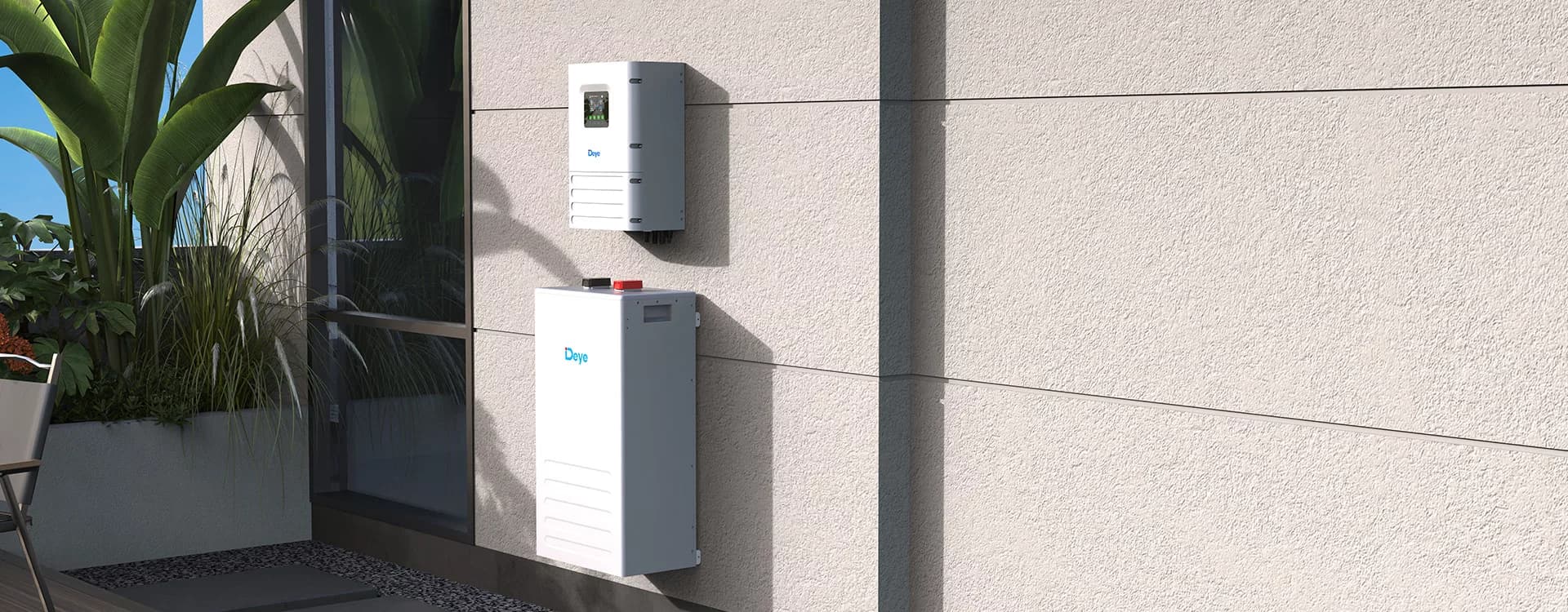
A lithium battery can be installed indoors and, unlike a generator, needs no exhaust ventilation. But ambient temperature affects both available capacity and how fast it ages: an unventilated store room in summer and an unshaded outdoor spot are both poor choices. Cool, dry, and reachable for service is the right place.

CallWhatsAppConsult