Backup Power
Uninterrupted power for the critical loads of your home or business during grid outages.
The challenge
Every minute of outage means stopped work, equipment risk and lost comfort or revenue. A full fridge and freezer, the modem and CCTV, the building's water pump, the lift, a shop till, home medical equipment — all of it stops the moment the grid does. Generators are not a complete answer either: they take seconds to minutes to start and pick up the load, they need fuel, they produce fumes and noise, they cannot sit in a car park or stairwell, and one left unstarted for months tends to fail exactly when it is needed.
The SANA Energy solution
A battery-based backup system switches in within a fraction of a second, silently. It recharges from solar or the grid and needs minimal maintenance. SANA Energy sizes it from your actual list of critical loads rather than from floor area: first we establish what has to stay on during an outage and for how many hours, then inverter power follows the peak simultaneous load — motor inrush included — and battery capacity follows what those loads consume over that time. The result neither costs more than the need warrants nor runs short in the first serious outage.
Why this solution
Transfer in a fraction of a second
Unlike a generator that has to crank and come up to speed, a battery system is already live; the transfer is quick enough that a computer does not reboot and the modem and cameras do not drop.
No fumes, no fuel, no noise
It can be installed indoors — a store room, a covered car park, a plant room — where a generator is effectively barred by its exhaust and noise. No periodic refuelling, no flue, no permit.
Always ready, with no monthly test run
A generator left idle for months often fails when called on, which is why it needs periodic test runs. A battery system stays charged and reports its own state of health.
Sized to the critical load, not a guess
Inverter power is matched to peak simultaneous load and to motor inrush — pumps, air conditioning, lifts — and battery capacity to the hours of backup you want. It is the same calculation that shows whether a smaller system would do.
Expandable in stages
You can start by covering a few critical loads and add battery capacity or solar later. LFP batteries are modular, and the initial design leaves room for that growth.
From backup to a lower bill
Add a solar array and the battery you bought for outages earns its keep on ordinary days too, storing sunlight and spending it during expensive hours. Capital that was sitting idle for emergencies starts working.
System architectures
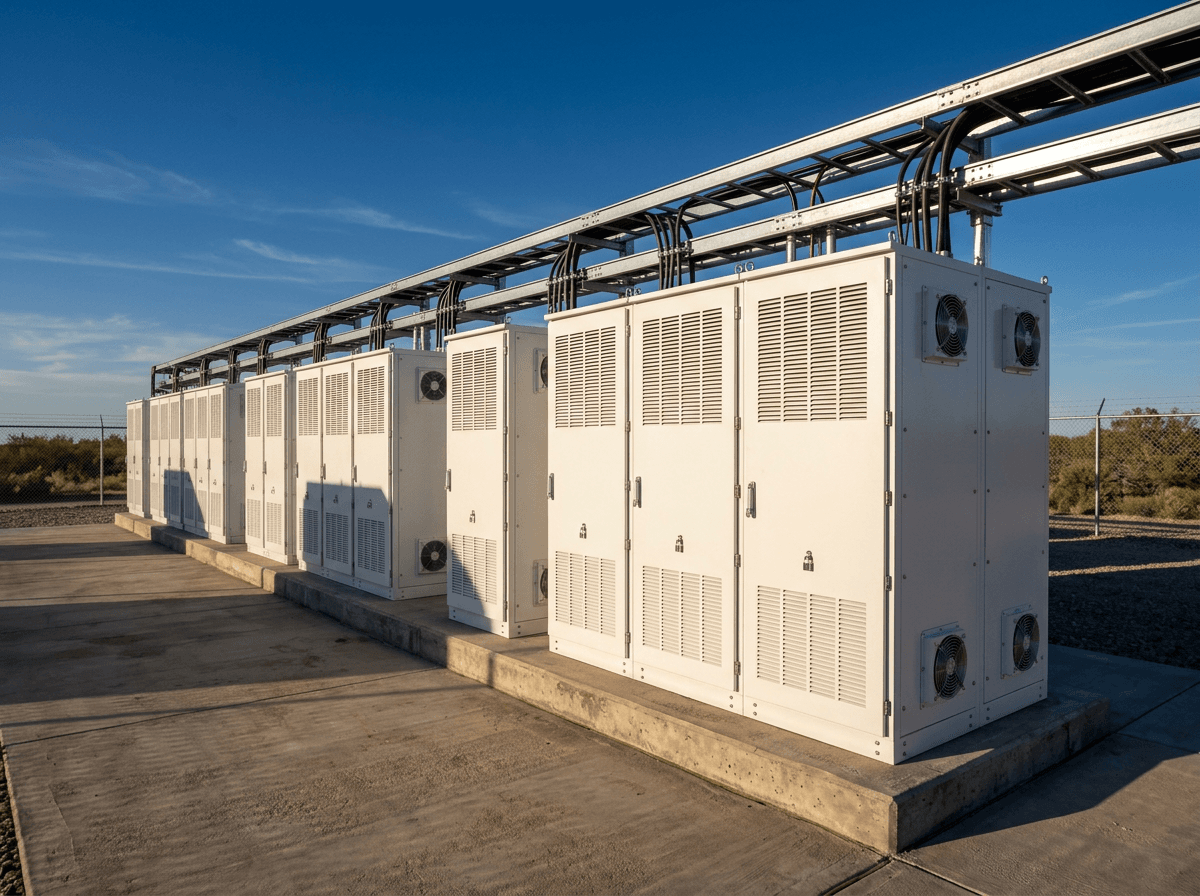
Portable power station — no installation
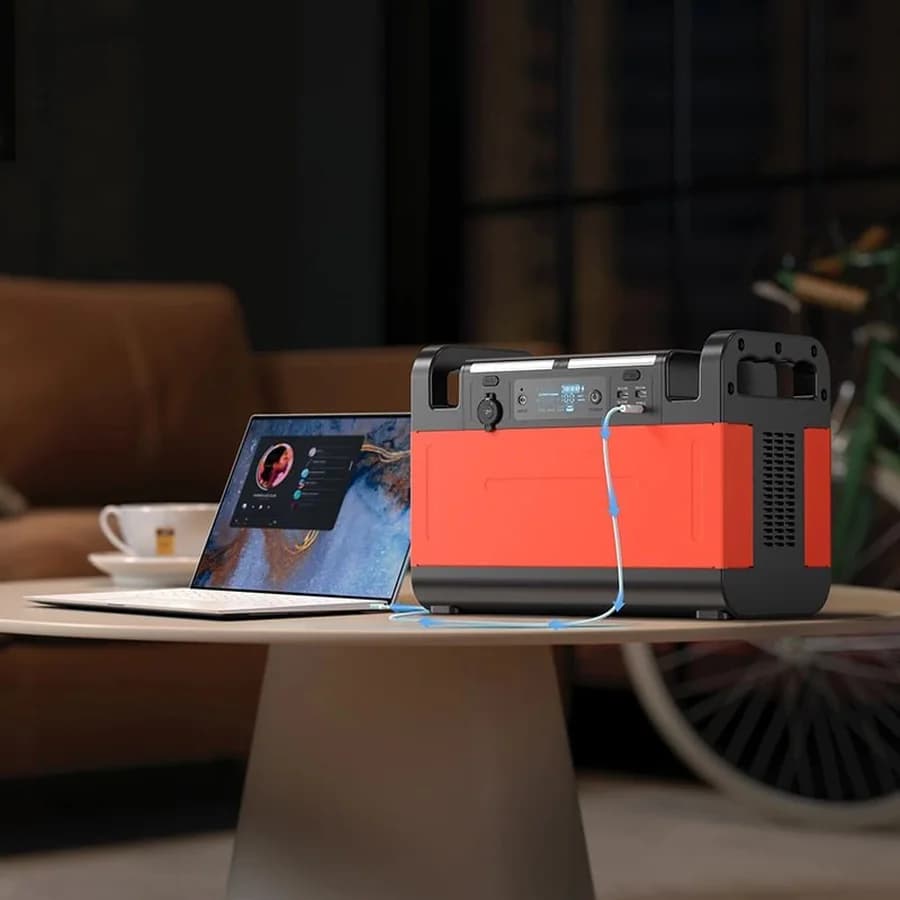
The simplest starting point: one integrated unit holding battery, inverter and outlets, charged from a wall socket, with equipment plugged straight into it during an outage. No wiring, no distribution board. Good for the modem, lighting and a laptop — a fridge on the larger models. Its limit is that it does not pick the loads up automatically; you move the plug.
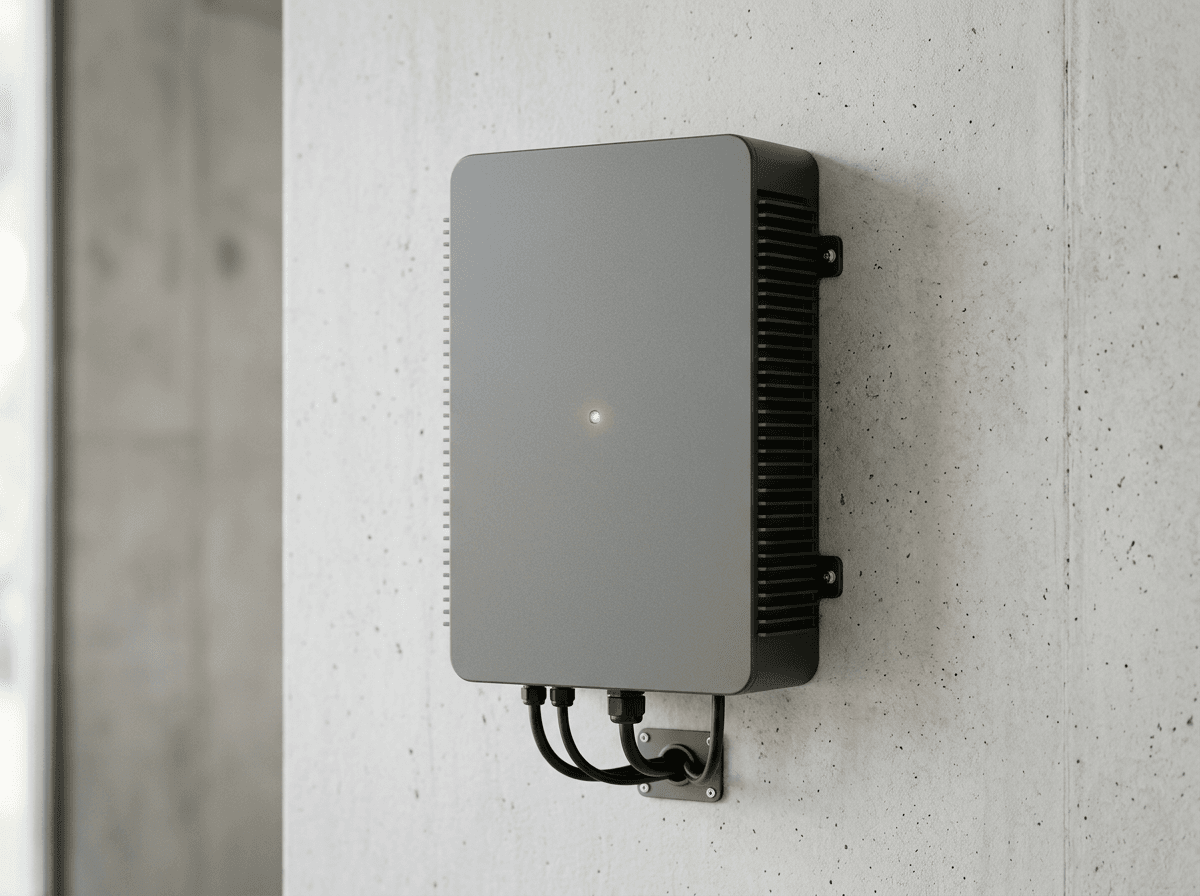
Hybrid inverter and battery — fixed home backup
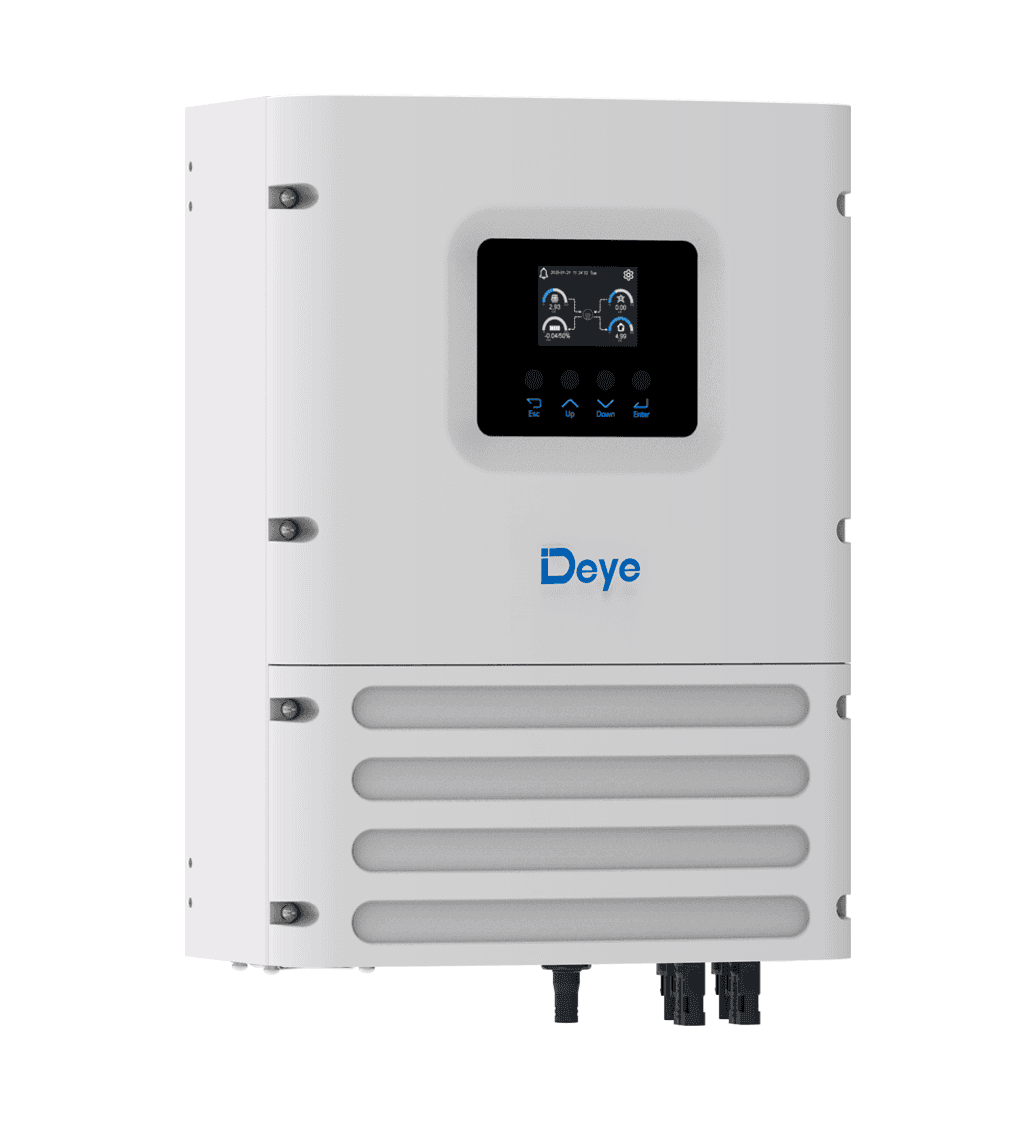
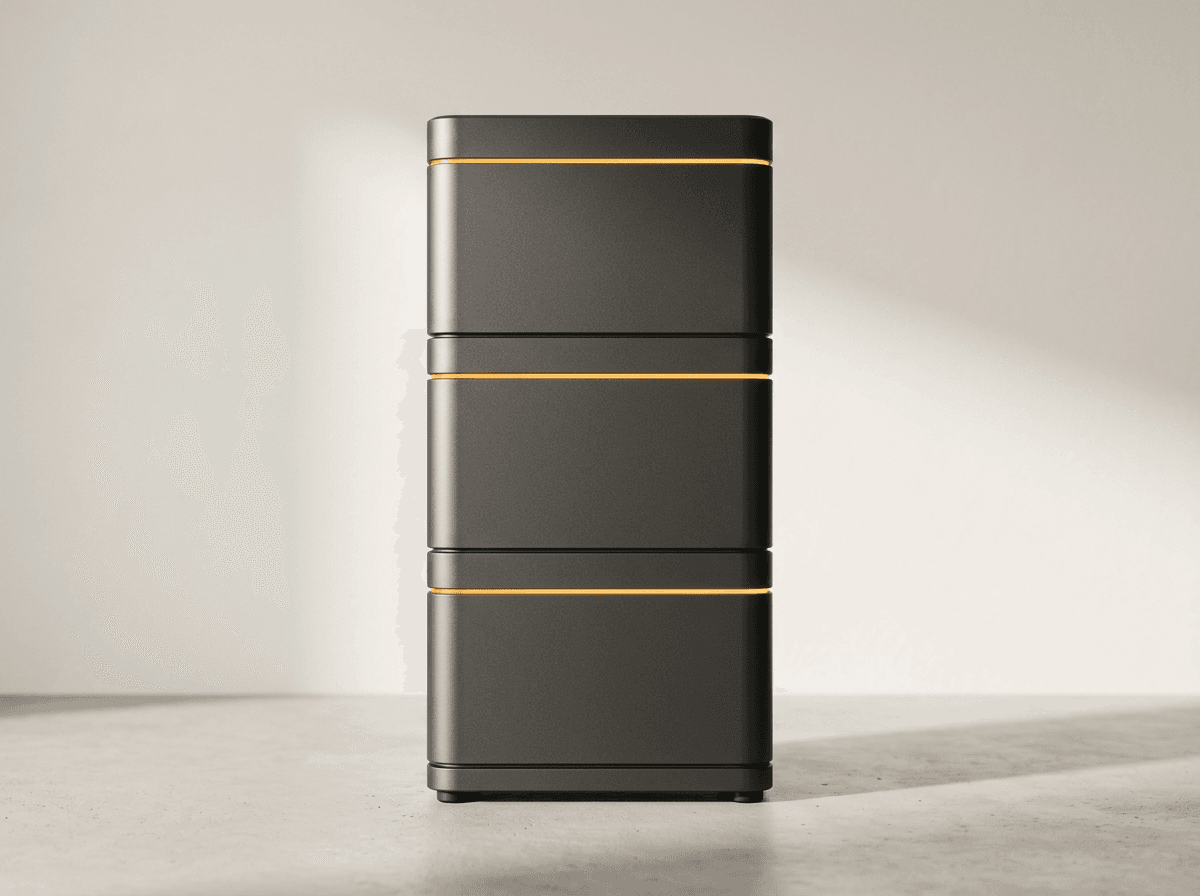
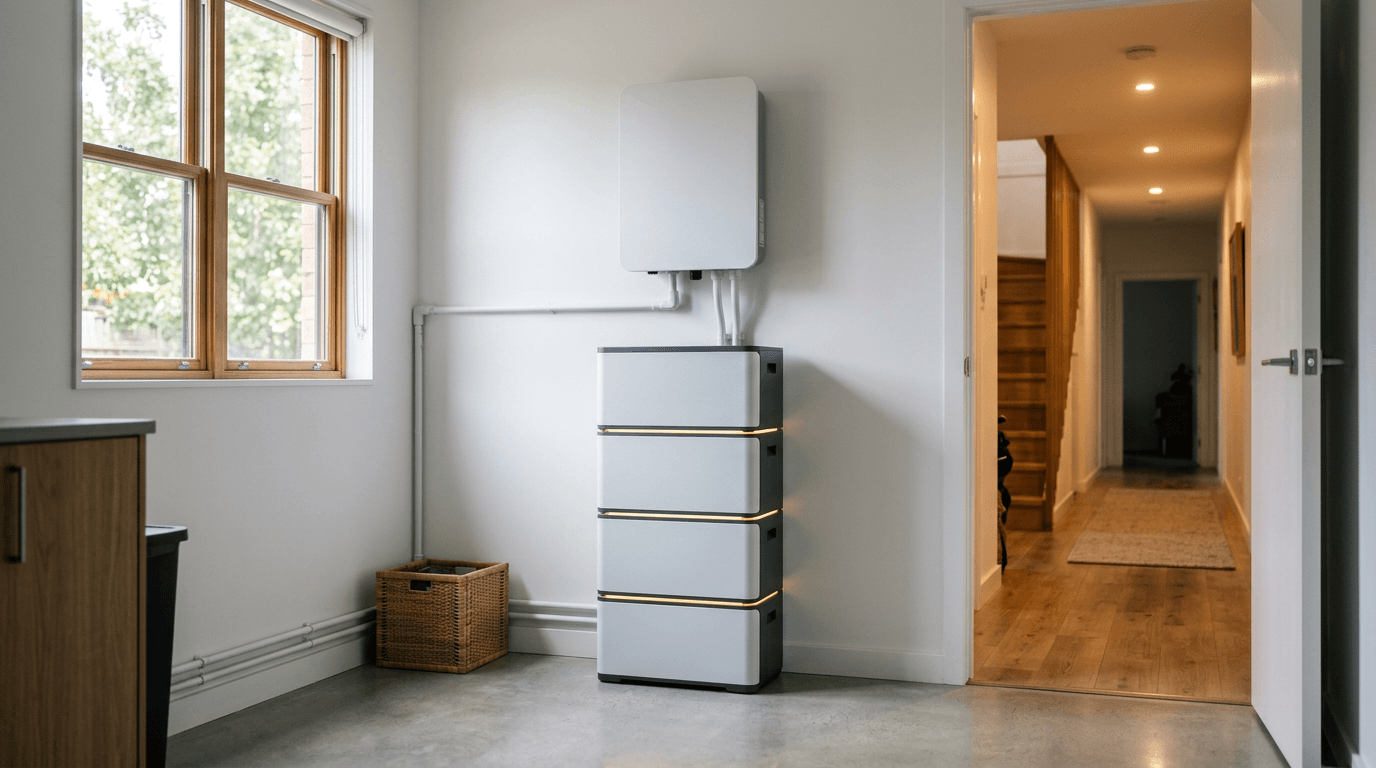
The common arrangement for a home or shop: a hybrid inverter and lithium battery installed permanently, with the critical loads separated onto their own board. When the grid drops, those loads carry on from the battery with no intervention and no perceptible break. Add panels later and the same inverter is ready for them.
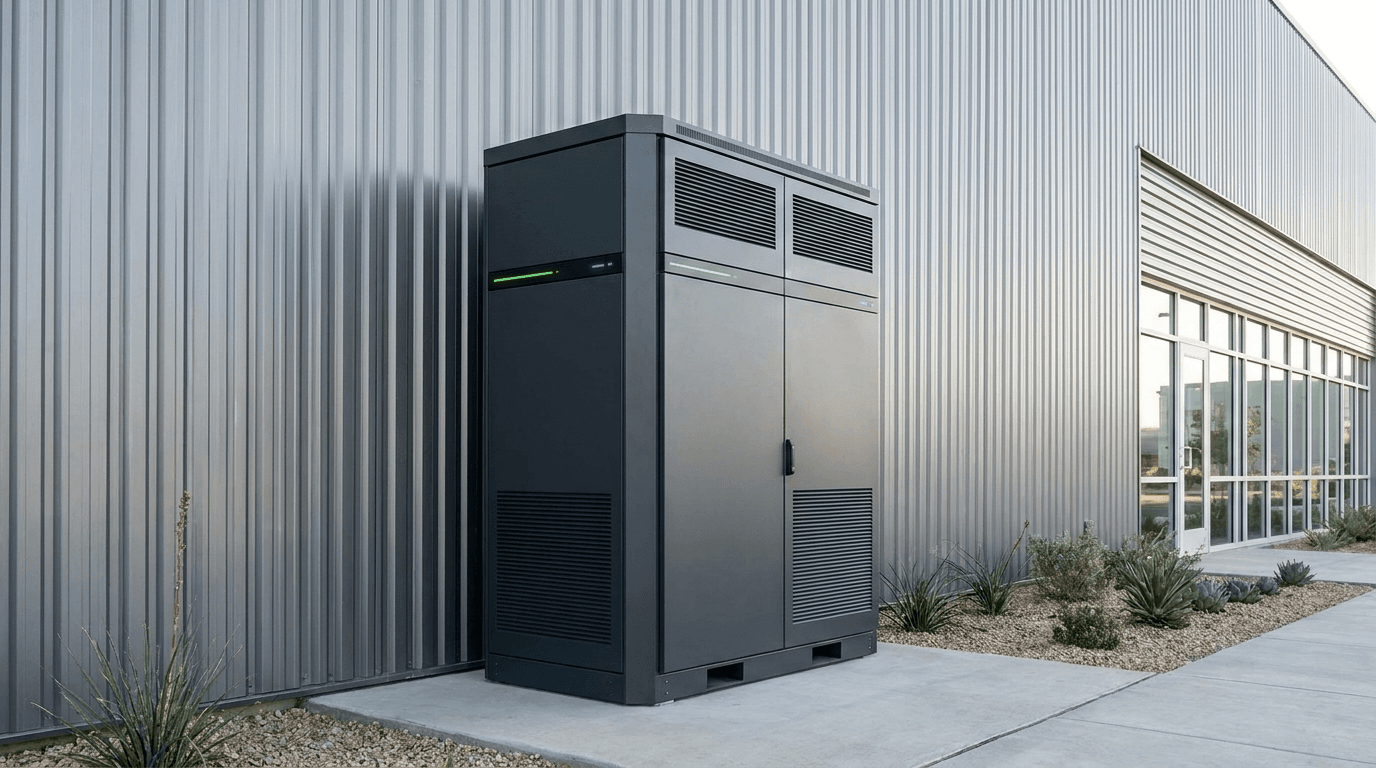
Three-phase system — common areas and commercial units
For lifts, water pumps, common-area lighting, cold storage or a small production line — three-phase loads where motor inrush is several times the rated current. A three-phase inverter and a larger battery bank are chosen around that inrush; get the sizing wrong here and it shows up as the system dropping out the moment the lift starts.
Suggested configuration
- 1A list of critical loads and the hours of backup wanted
- 2Hybrid inverter with fast transfer, matched to peak simultaneous load
- 3LFP lithium battery sized to the critical load
- 4Essential-loads distribution board
- 5Standard protection and earthing
- 6State-of-charge and consumption monitoring from an app